

Executive Functioning: The Skills Behind Success
September 9, 2026
Halloween: Finding the Fun, Avoiding the Frenzy
By Carol S. Siege, PCC
Founder, Family Pathways Coaching, LLC
When my boys were young, I had to institute a rule in our house that there would be no Halloween costume conversations until October 1. Today’s advertising schedules notwithstanding, this rule was meant to maintain my sanity and reduce my boys’ mania around the holiday that allowed them to stretch their imaginations, walk around town brandishing weapons, and finish the night with a sugar-fest.
Halloween was a favorite holiday for my boys. When they were very young, their costumes led to imaginative play all year long. But that didn’t mean the holiday wasn’t exhausting, from the craziness of trick-or-treating to the sugar rush that followed. Kids can be overwhelmed by the commotion and may not want to participate in parties or wear uncomfortable costumes. Or they may struggle to strike a balance between playful pranks and chaos.
As October 31 comes into sight, read on for tips to help your kids -- and you -- enjoy the creativity, the vivacity, and the impish fun of this holiday in a way that makes sense for your unique family.
- Make the Unfamiliar Familiar – For kids who have sensory processing differences or rely on familiarity to feel safe, Halloween can be unnerving. Neighborhoods look different and jump-scares are everywhere. Decorations are not just more prevalent these days, they are also bigger and more interactive. Home Depot’s now-famous 12’ Skelly and a myriad of sound and motion-activated animatronic creatures crowd lawns and doorways. Prepare your children ahead of time for the experience of Halloween night. Walk through your neighborhood in daylight and explain what may happen as you approach a decorated house. Read Halloween-related books or watch movies to help your young children recognize typical sights and sounds. And let your child set the pace for the night. Parents may want their children to experience the joy of Halloween, but remember that “fun” is subjective.
- Plan Downtime in Advance – For kids with ADHD, the entire Halloween experience can lead to emotional dysregulation. Sometimes that means meltdowns. Other times overstimulation leads to excessive talking, impulsivity, or energy that becomes difficult to manage. The thrill starts long before the trick-or-treating begins, with costumes, parties, and plans for gathering up as much candy as possible with crowds of friends. When exhilaration gets out of hand, though, it can strain friendships. Kids with ADHD may struggle to recognize social cues or notice when their enthusiasm is overwhelming others. Parents can help by setting clear expectations before Halloween arrives and then staying attuned to kids moving from excited to excessive. Decide ahead of time how long you will trick-or-treat, plan breaks, or agree on a discreet signal for when it’s time to regroup.
-
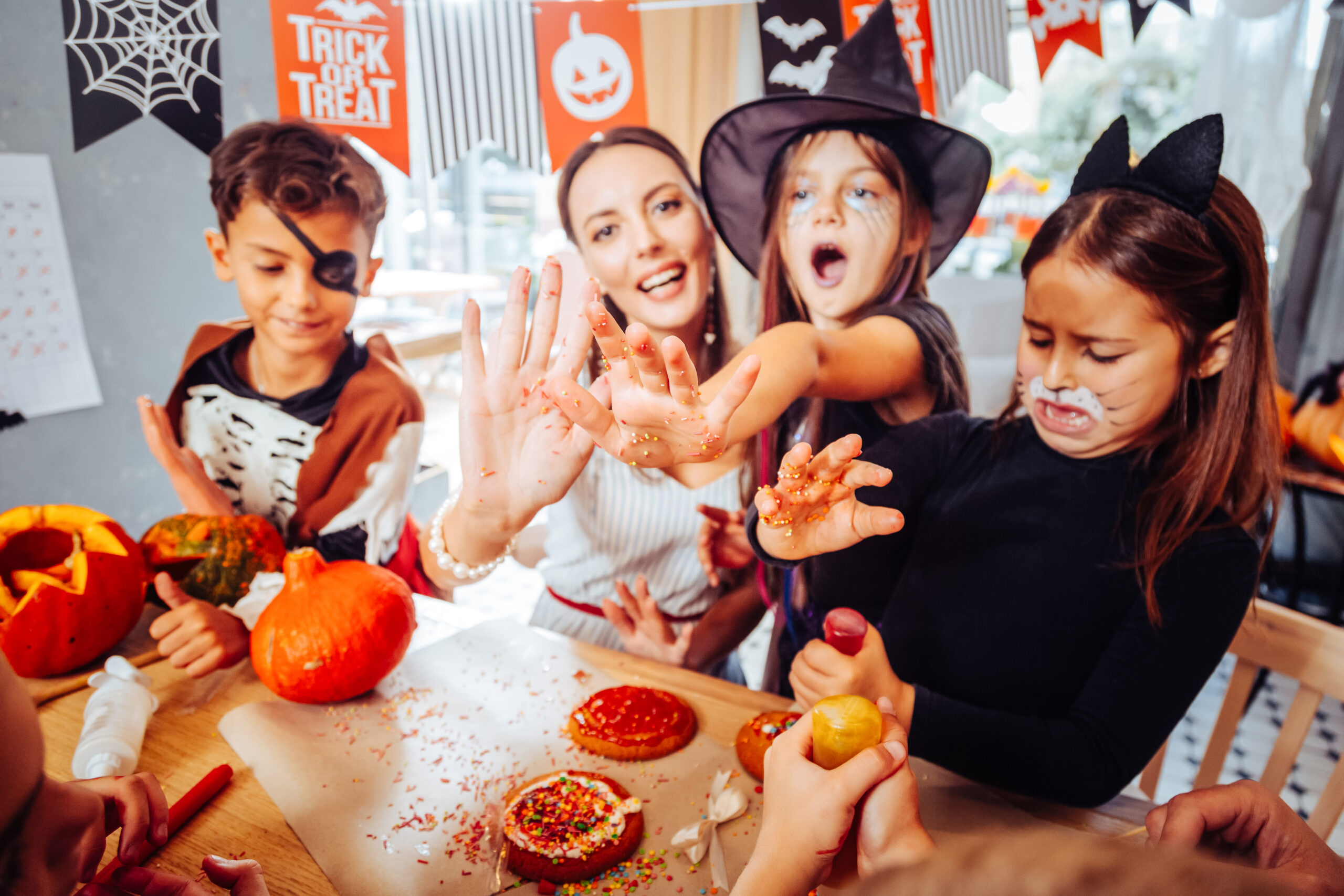
- Celebrate Halloween Your Own Way – So what about kids who aren’t invited to Halloween parties or included in trick-or-treating plans? Peer-reviewed studies confirm what many parents of neurodivergent children already know: Kids with ADHD and autism are at increased risk of peer rejection and difficulties making and maintaining friends. For some of our children, creating a family alternative for traditional Halloween activities can be fulfilling; but especially as our kids grow and become more aware of how others are socializing, it’s important to let them choose how to spend the holiday. Consider a family movie night, pumpkin decorating, or sharing the night with even one friend.
- The Candy Question – The issue of whether all that Halloween candy makes our neurodiverse kids hyper has been around for decades. Despite the popular belief that sugar makes kids frenetic, controlled studies have not found convincing evidence that sugar causes hyperactivity or ADHD. When our kids become dysregulated onHalloween, the excitement, fatigue, disrupted routines, and sensory overload may have more to do with their behavior than the candy itself. Consider starting the night with a satisfying dinner so kids are not heading out on an empty stomach. Present healthy foods in the Halloween spirit, from clementine pumpkins (peeled clementines with celery stems) to boo-nanas (halved bananas with mini chocolate chip eyes). And establish ahead of time how much candy is enough on Halloween night, as well as what to do with any left-overs.
Halloween doesn't have to be a night of mayhem and meltdowns. Whether your child loves every spooky moment or prefers a quieter celebration, the goal is to find ways to enjoy the holiday that work for your family, whether that means a neighborhood full of trick-or-treating or a few favorite houses and an early night.
If you are struggling to help your child or you know someone who is, reach out! As a Certified Professional Coach with additional certification in ADHD parent coaching, I help parents understand their neurodiverse children’s needs and how to help the whole family succeed.