Do We Need the DoE?
June 24, 2026
Autistic Burnout: When Your Child Suddenly Can’t Cope
July 30, 2026
Oh Brother! How Siblings Engage
By Carol S. Siege, PCC
Founder, Family Pathways Coaching, LLC
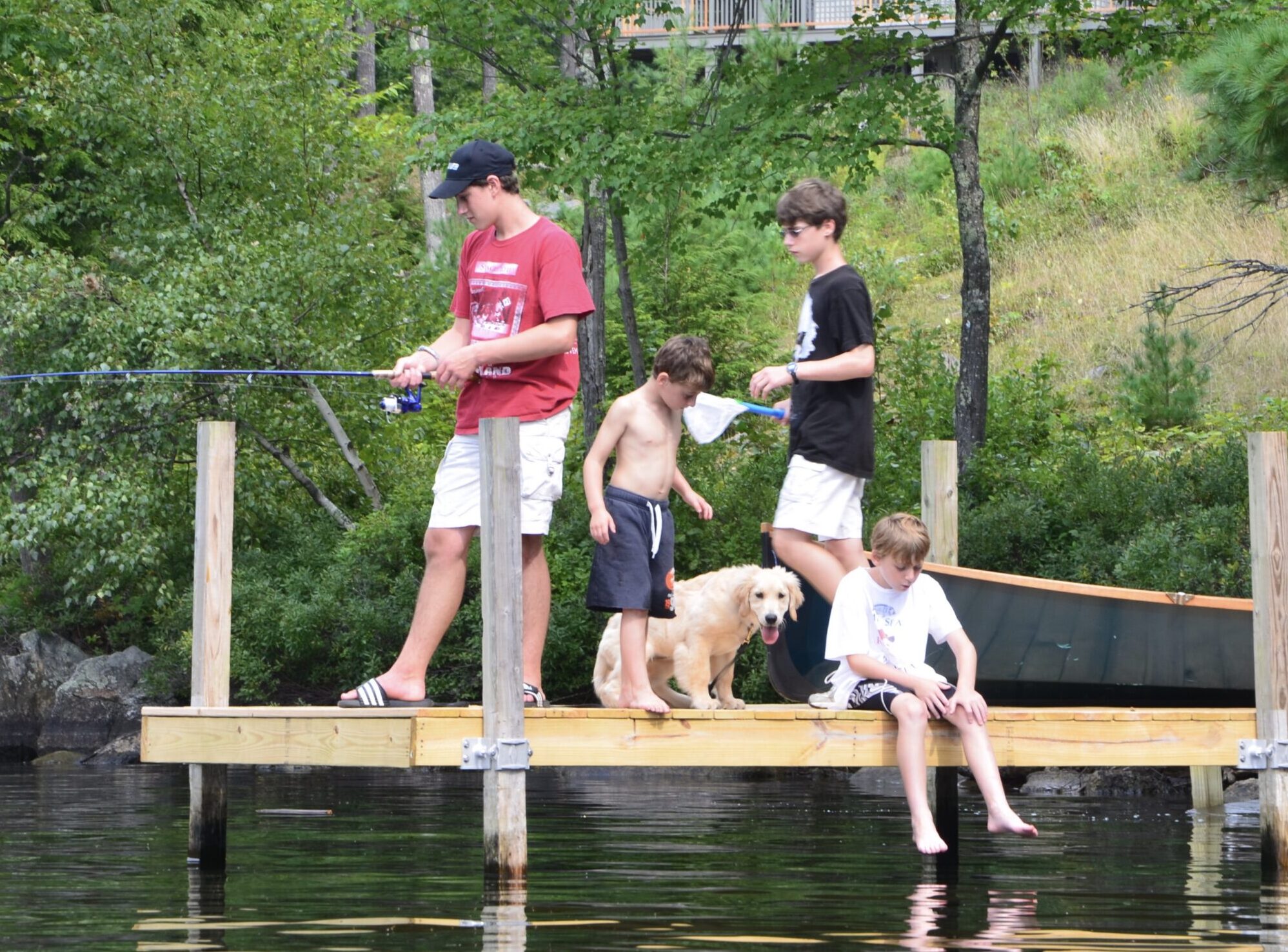
Earlier this month, my four sons gathered for a Brothers Bachelor Party. To celebrate an upcoming marriage, they barbequed steak, swam in the lake, binge-watched a favorite show, and enjoyed each other’s company.
It’s a great image, and yet it’s not always how things have been between the four of them. There were stretches of frustration, misunderstanding, teasing, and jealousy. To be clear, all of those disagreements came amidst a lot of connection and camaraderie, and yet the pain that comes from sibling rivalry can be difficult to put in the past.
As four kids each with their own set of neurodiverse traits, they each had to navigate a lot of impulsivity, anxiety, emotional dysregulation, and difficulty understanding and expressing their needs (and their brothers’).
On the other hand, they had the benefit of sharing many interests and a family dynamic that brought them together for traditions they cherished. While no relationships are devoid of disagreements (well, the honest ones, anyway), my boys – now young men launching their lives – have come to connect with and rely on one another in profound ways.
If your children are fighting like cats and dogs (or like brothers and sisters), read on for ways you can help them build friendship and trust, even as you navigate the particular challenges that come with raising neurodiverse kids.
- Build Connection Through Family Traditions
While my boys were still young, we began activities they looked forward to all year long, some associated with holidays, some with the rhythms of the week. Every Sunday evening was deli takeout and a movie (alternating who got first choice); every long-distance car ride included a small bag of mini toys for each child; Friday nights we continue to host a family Zoom call. We created memories when they were small, and we create new traditions as age and lifestyles grow.
- Foster Bonds Through Shared Goals
When my boys were young they were wild. Really, really wild. It took a while to figure out how to handle the chaos that was dinnertime. And yet, once I hit on an idea (and had the energy to follow through), it was magic. The boys had just a few, very specific requirements. If everyone hit their goals, they enjoyed the reward together (ice cream party, game night, you get the picture). When one of the boys missed the mark, the others reminded him because individual success depended on group success.
- Make Conversation a Part of the Process
When my sons struggled with one another, it was usually for a typical reason: One was simply annoying another. And yet, when we are raising neurotypical kids, we are contending with so much more. Emotional dysregulation, for example, can turn an otherwise trivial issue into a gargantuan event. Impulsive behavior, significant anxiety, tics, or a host of other neurodiverse behaviors can be misunderstood and aggravating. Neurotypical kids can get angry at a sibling who regularly barges into their room, breaks their block towers, or speaks inappropriately in front of their friends. When any of these situations occur, I have found it’s essential to talk about what’s happening. Boundaries must be set, sometimes punishment is required, and always follow up with discussion. Kids need to learn that their siblings can’t always control their behaviors; and neurodivergent siblings need to hear how their behaviors are received. These conversations are not about shaming, but rather about explanation and acceptance. And just as a neurotypical sibling can learn to empathize with one who struggles to control themselves, a neurodivergent child can learn to recognize how their behaviors affect other people and work to do better, as appropriate.
- Have Fun Together
All four of my sons have grown to study and work in engineering, and they loved launching rockets and visiting planetariums together. But there were also outings we made because one or two of them enjoyed a particular activity, and the others found ways to have fun too. Two of my boys love to cook, but all four had a blast at our family cook-off. One of my sons was a thespian in high school, and the others learned his songs and loved watching his shows. Vacations have always been a combination of activity and resting, finding opportunities for everyone to savor a favorite treat, whether alone or together.
Of course every family is unique. Not every sibling is going to find a best friend within the family unit. The key is not forced friendship, but bonds built over shared years, finding ways to appreciate and respect one another.
If you or someone you know is struggling with family issues, reach out! As a Certified Professional Coach with additional training in ADHD parent coaching, I help families with neurodiverse children find ways to communicate and enjoy life together.
Follow me on Facebook, Instagram, and LinkedIn today.